Spring in the garden – planting season begins!

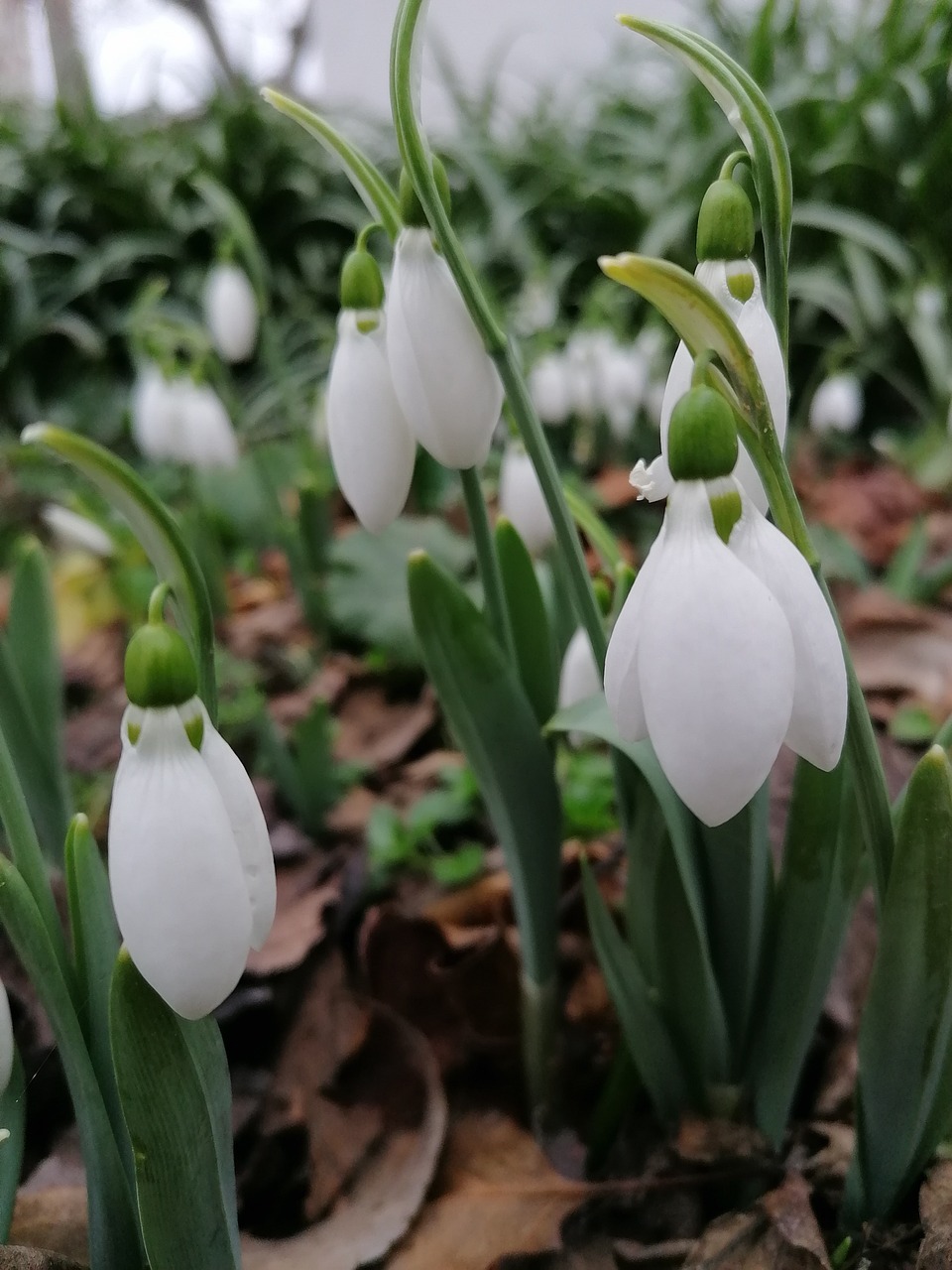
Although the astronomical spring officially begins on March 21, temperatures in Poland reached record highs earlier this month. In some regions, thermometers showed over 20°C! Such warm weather causes nature to awaken much sooner — trees are already forming buds, and snowdrops and crocuses are blooming in meadows and mountain valleys.

March and April are the perfect time to take care of your garden.
What can you plant in March? Which plants are better left for April?
Check out our tips! 🌱🌼

🌻 Which flowering bulbs can be planted in March?

Early spring is the time when the first signs of the new season appear in the garden. You can already admire the bulb flowers planted in autumn: crocuses, daffodils, snowdrops, primroses, jonquils, and hellebores. But if you want to enjoy beautiful blooms in summer and autumn, March is a great time to plant new bulbs.

It’s best to divide your garden work into two stages:

  1. Planting bulbs directly into the ground, such as lilies, ornamental grasses, bee balm, and baby’s breath.

  2. Preparing seedlings in pots or trays, which will be moved into the garden only after the last frosts.

🌼 Delicate plants? Start them in pots first!

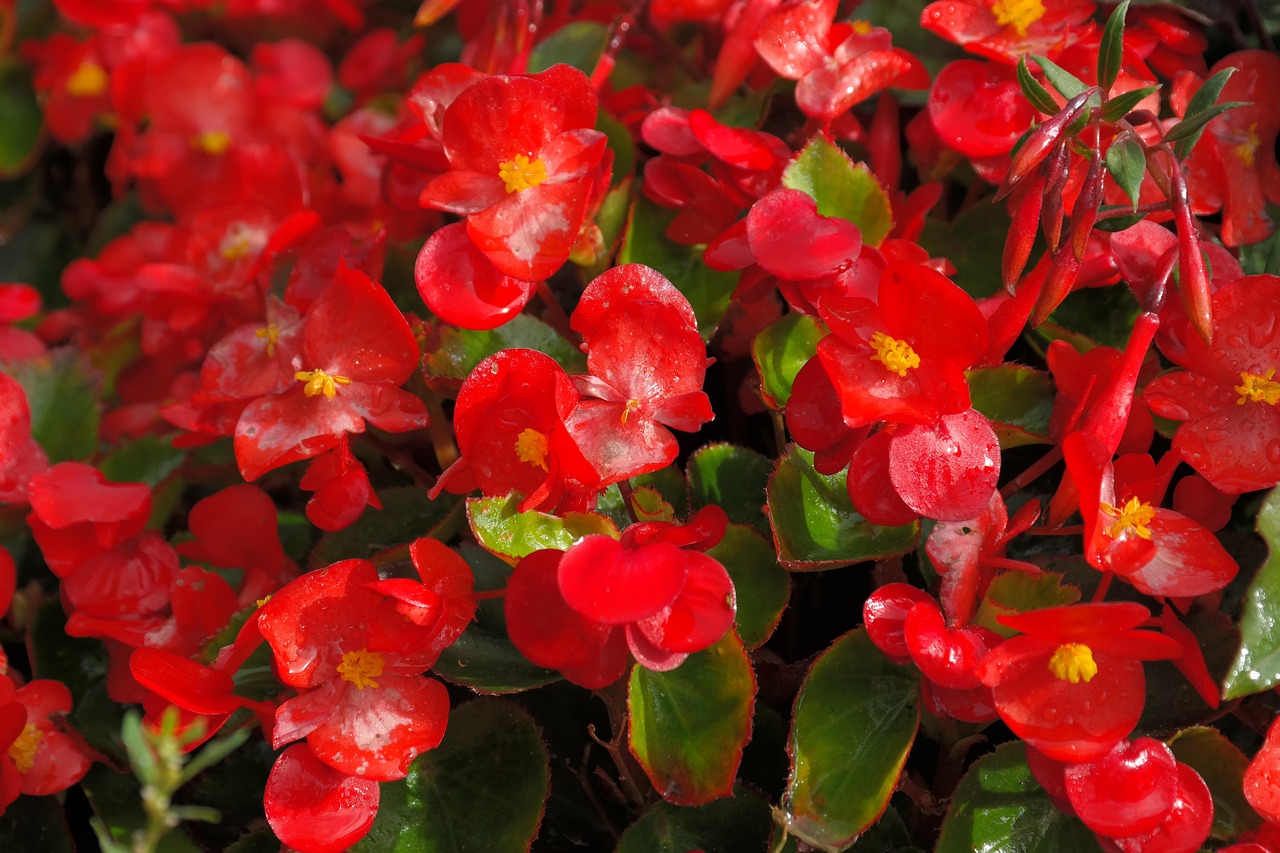
Some plants require more controlled growing conditions. In March, it’s best to plant dahlias, tuberous begonias, and cannas in pots.

How to do it:

  1. Fill the pots with a universal compost-based potting mix.

  2. Carefully place the bulb or tuber at the correct depth.

  3. Cover with soil and add a thin layer of sand (1–2 cm) to prevent excessive moisture evaporation.

  4. Place the pots in a warm, bright location (e.g., on a windowsill).

  5. Water regularly and harden the seedlings by exposing them to fresh air in April.

Remember that the appearance and health of your plants depend not only on the planting time but also on the quality of the planting material. By choosing bulbs and rhizomes from a trusted source, you can be sure your plants will be healthy and vigorous.

🌿 What can we plant in March? Start your own vegetable garden!

March is the month when you can begin growing vegetables that are resistant to cold. If you have a garden, this is the perfect time to plant carrots, cauliflower, broad beans, onions, garlic, and radishes. However, keep in mind that the weather at this time of year can be unpredictable. ❄️
To protect your crops from unexpected frosts, it’s a good idea to cover them with a plastic tunnel. Such a cover creates a microclimate that promotes plant growth, shielding them from cold and excessive rainfall.

March is also a great time to sow sprouting vegetables, which are a healthy addition to salads and sandwiches. Radish, sunflower, cress, and mung bean sprouts work perfectly. For best results, use special sprouting containers.


🌸 What do we plant in April?

In April, as temperatures rise, you can begin more intensive gardening work.
You can plant legumes (peas, beans), as well as onions, parsley, parsnip, and dill directly into the ground. It’s also the right time to plant pre-sprouted potatoes and sow ornamental plants such as marigolds, calendula, alyssum, and cornflowers.

At the end of April, it’s time to plant freesias, ranunculus, ixia, gladioli, and tigridia.
Beetroot and leeks are best planted in the second half of the month.


🌳 Trees and shrubs – last call for planting!

April is the final moment to plant bare-root trees and shrubs.
If you are planning to plant hedges, don’t delay — barberry, cherry laurel, boxwood, and privet root best when planted by mid-April.

Dreaming of roses in your garden? You can plant them both in spring and autumn. Garden centers offer bare-root, balled, and potted roses — each type has its advantages.


🌱 Choose high-quality planting material!

Remember: the appearance and health of your plants depend not only on the planting time but also on the quality of the bulbs, seedlings, and rhizomes you choose. By selecting planting material from a reliable source, you ensure your plants will be healthy, strong, and long-lasting.

You may also like

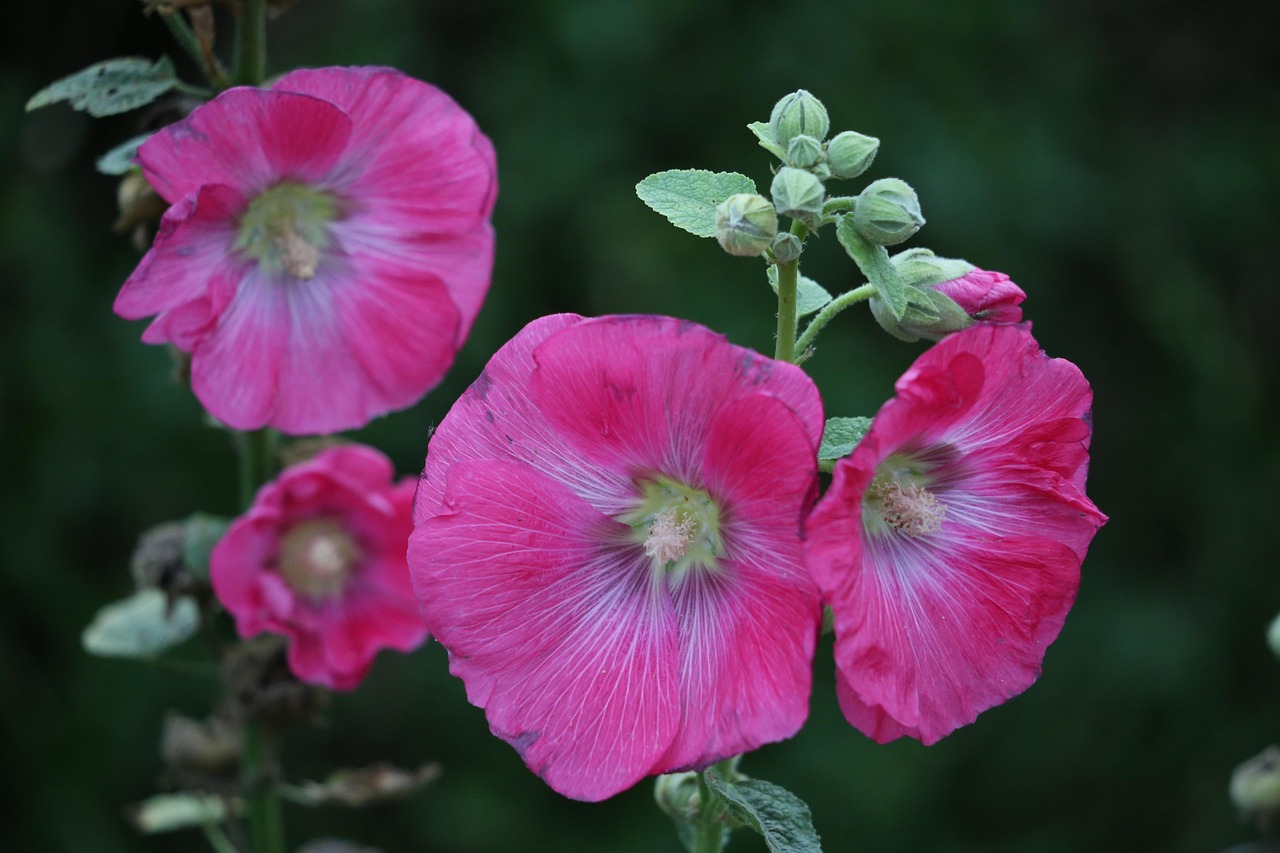
  • Hollyhocks in Your Garden: Varieties, Growing Conditions, and Care Guide

    Hollyhock has anti-inflammatory, expectorant, and soothing properties. Its infusion is used for upper respiratory infections, menstrual pains, and menopause symptoms. It is also used in natural cosmetics for skin care.
    Read more
  • How to Grow and Care for Tuberous Begonias

    Begonias belong to the Begoniaceae family. The most commonly cultivated species include the wax begonia, winter begonia, cane begonia, rex begonia, and tuberous begonia. For more details, see the full article!
    Read more
GMF
ul. Mickiewicza 87 | 05-462 Góraszka

+48 22 789 09 76 / reception